
DCU News
DCU research set to gain from EU funding
An EU grant worth €10 million is heading towards DCU research as part of the Marie Sklodowska-Curie actions (MSCA) initiative. Read more…

An EU grant worth €10 million is heading towards DCU research as part of the Marie Sklodowska-Curie actions (MSCA) initiative. Read more…
DCU Alpha explores the opportunities and challenges of the EU in capital markets, banking, finance and innovative technology. Read more…

650 new jobs are predicted as new student accommodation construction begins on Brunswick St, Dublin 7. Read more…

[dropcap]D[/dropcap]ublin has ranked 31st out of 125 cities in the fifth edition of the QS Best Student Cities ranking. This ranking is a jump upwards of six places from the previous year. Dublin is the Read more…
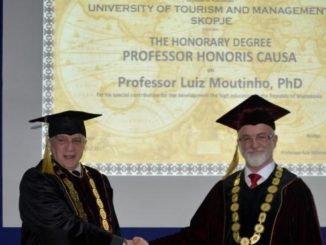
DCU Business School Professor Luiz Moutinho was awarded an honourary degree at a University in Macedonia this week, calling it the “highest accolade an academic can receive”. Read more…

A School of Law and Government professor has granted a President’s Award for Research for her “outstanding contribution” to research in the field of cyberterrorism.
Maura Conway, who heads the DCU-led VOX-Pol research network, described her win as a great feeling, saying: “It’s always good when we get people in humanities, the social sciences having their research recognised.”
Conway has been researching cyberterrorism since the late 90’s, after she developed an interest in exploring the link between globalisation and terrorism. “That was as far as I got with it,” she said, “because i became really taken with this idea of terrorism and the internet and what direction it was going.”
At the time the scholarly idea of what cyberterrorism would be was “an attack on or using the internet for terrorism purposes,” she said. “I’m a bit of a skeptic in that regard.”
Instead Conway thought “the use of the internet for outreach and propaganda by violent extremists” would be much more likely, and that’s how things have played out, she said.
“Terrorists use the internet like everyone else,” Conway said. “They’re especially aware that young people are very heavy internet users… young people between the ages of 16 to 30 are the most important demographic for extremist organisations.They seek to reach other people like themselves using the technology they use in their lives every day.”
Conway pointed to the Islamic State, who “really ran with social media… to reach out beyond the countries in which they have a major physical presence, and to influence people around the globe to either travel to their location or to carry out attacks on their behalf.”
Conway warns that “it’s mistaken to believe the use of the internet for radicalisation purposes is restricted to violent jihadis.” The extreme right in Europe are “worth keeping an eye on,” she said – “they’ve been doing their politics online since the early 1980s so they’ve been very well placed to use the internet to further their purposes.”
Traditional cyberattacks – the spreading of viruses, the hacking of systems – will remain an activity practiced by nation states rather than terrorists, Conway predicts.
It’s a question of resources – it’s cheaper to make and plant a bomb than train a team of hackers – and it attracts more attention.
“The Boston bombings got massively more attention than the Stuxnet virus attack on Iran’s nuclear programs,” she said. “Terrorists do cost-benefit analyses.”
Read more…
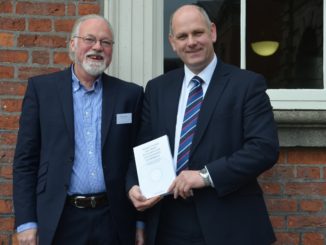
Girls aged between twelve and seventeen are the most likely victims of online sexual exploitation according to Detective Superintendent Declan Daly in DCU, last Monday.
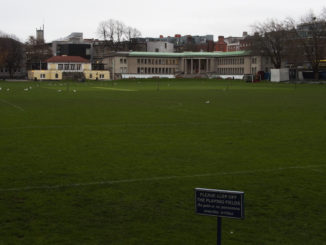
[dropcap]T[/dropcap]rinity College’s proposed purchase of Iveagh Grounds sports facility is set to save a number of sports clubs from relocation according to the chairman of the Guinness Athletic Union.

[dropcap]The [/dropcap]number of students applying to study in the UK has dropped by about 20% since the Brexit vote in 2016.
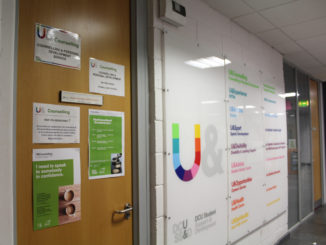
DCU Chaplain Philip McKinley admits the role he holds has shifted in recent years for various reasons. Read more…
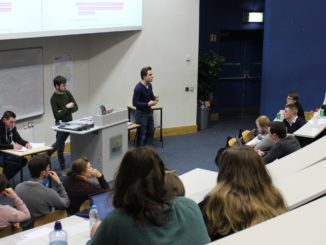
A referendum to amend the DCU Students’ Union Constitution is set to take place following the Class Representative Council voting in favour of the suggested changes within the document. Read more…
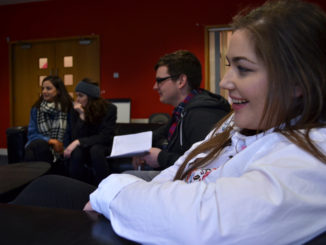
DCU’s Students’ Union ran its first Empowerment Week in conjunction with the nominations for the SU Elections, opening on Tuesday.
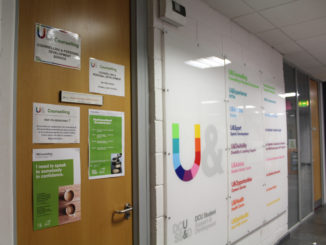
A new student support line was introduced on campus last Tuesday by the Counselling and Personal Development Service of DCU.

The recent barring of certain media outlets from a White House press “gaggle” may have a positive impact on journalism in the long run, according to DCU communications lecturer, Declan Fahy. Read more…

A Strike4Repeal campaign is to commence in DCU if the government fails to call for a referendum on the Eighth Amendment before the 8th of March.

HerCampus, a female-run news site aimed at college level students has been launched in DCU.
Schools will find out next year if they still meet the criteria for disadvantaged supports funding due to major changes in the way schools are assessed.

UCD’s Student Union had to cancel classes on sexual consent due to a lack of interest by the Student Body.

A former Church of Ireland College of Further Education (CICE) lecturer has spoken in detail to The College View about the difficult circumstances they and colleagues have endured over the last year, following the closure of the college’s premises in Rathmines and its subsequent amalgamation into DCU.
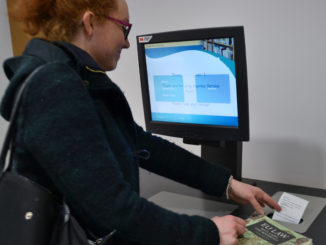
DCU library is owed €73,501.89 from students due to fines on late material, as revealed in information secured through a Freedom of Information Act request.

Three DCU students have developed an innovative robot that teaches you how to code.

Four thousand ecstasy pills and herbal cannabis were seized in Galway, all of which were suspected to be destined for the unofficial Galway ‘rag week.’
DCU’s Students’ Union have been accepted into a training programme which encourages student engagement with educational decision making.
Read more…

The long journey for Donegal students travelling to DCU could become even more painful, if a hard border is placed between the Republic of Ireland and Northern Ireland Read more…

Research conducted by geneticists led by Professor Aoife McLyghsat have found ways to identify disorders such as autism and epilepsy much quicker. Read more…